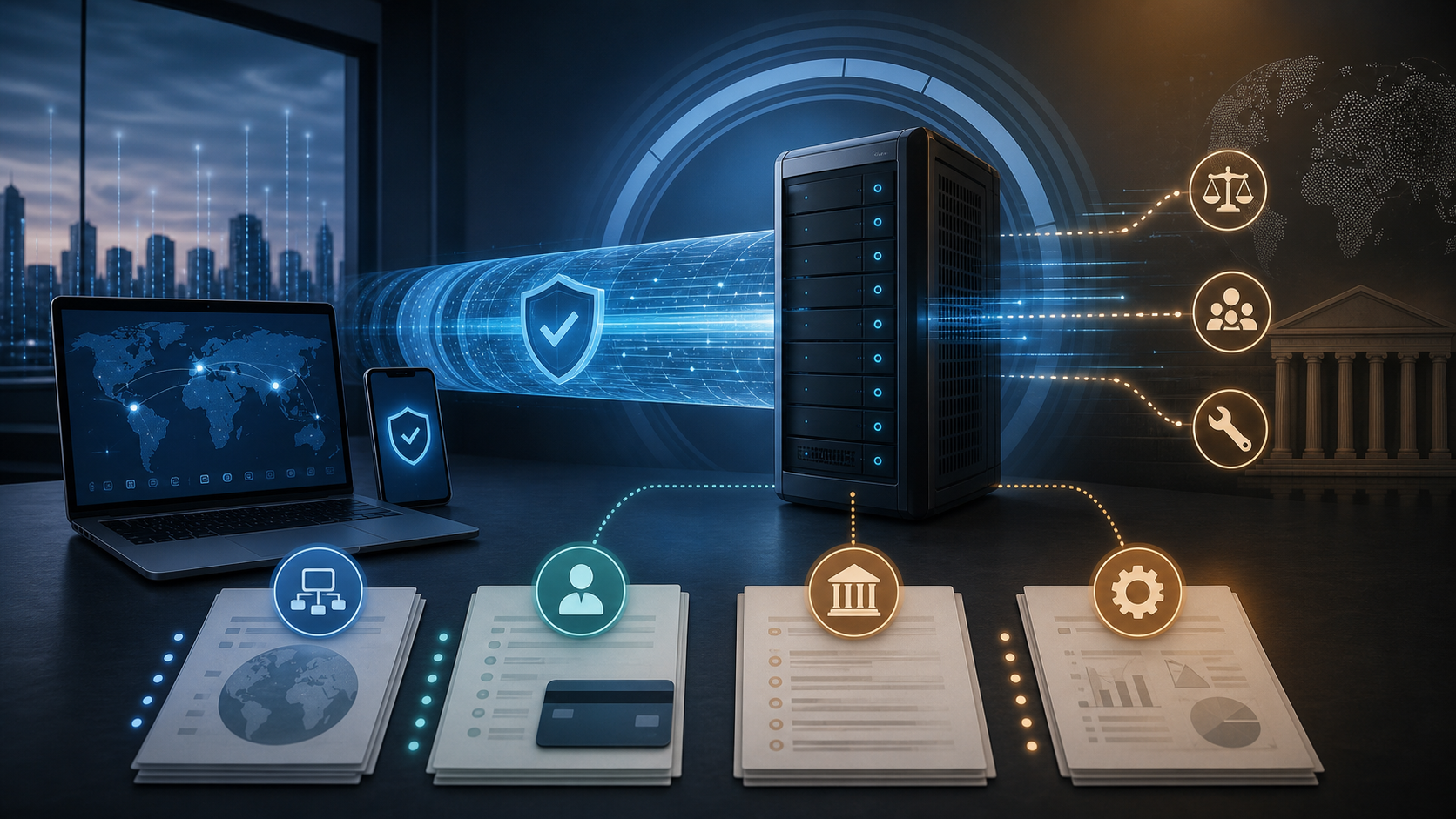
Your 'no-log' VPN might be keeping more records than you think. While VPN providers market themselves with bold promises about anonymity and zero-logging policies, the reality is often more complicated. Many services that claim to keep no records can still be compelled to reveal user IP addresses, connection times, and other identifying information. Understanding what VPN providers actually track, despite their marketing claims, is essential for anyone serious about online privacy.
This article was prepared for practitioners who care about routing quality, operational reliability, and the real-world tradeoffs behind IP privacy, cloud security, email verification, and automation workflows.
For official technical background, see IANA number resources, ARIN IPv4 resources, RFC 791 Internet Protocol, MDN X-Forwarded-For reference.
The problem isn't always intentional deception. VPN providers face technical and legal realities that make absolute privacy difficult to guarantee. They must maintain some operational data to run their services, comply with local laws, and respond to court orders. The question isn't whether VPNs log anything at all, but rather what they log, how long they keep it, and under what circumstances they'll hand it over.
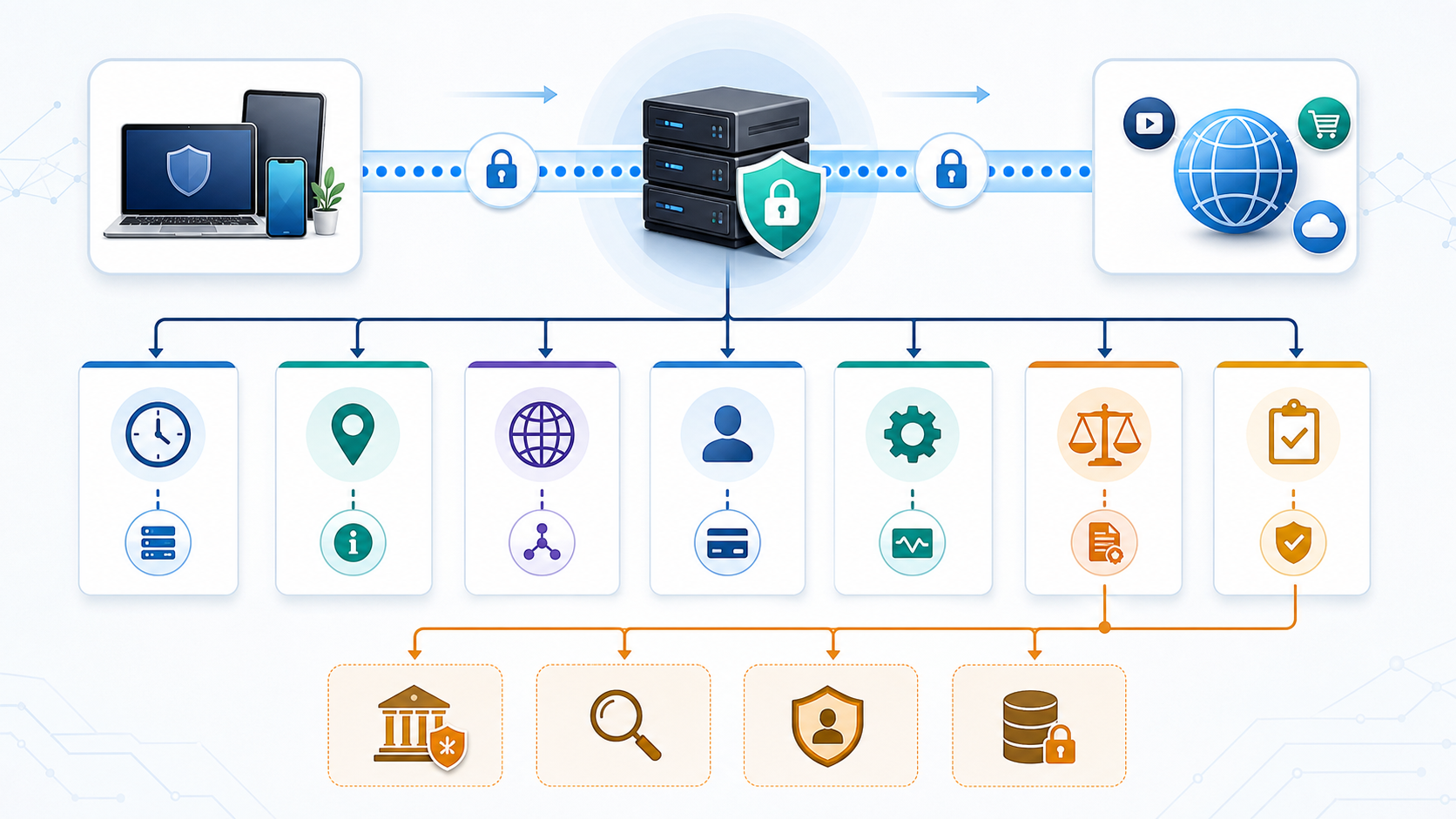
What Data VPN Providers Can Access Despite No-Log Claims
Even the most privacy-focused VPN provider has access to certain information by virtue of how the technology works. Understanding these technical realities helps separate genuine privacy protections from marketing spin.
Connection Metadata
When you connect to a VPN server, several pieces of information must exist, at least temporarily, for the connection to function:
- Your real IP address: The VPN server must know where to send encrypted data back to you. This information exists in server memory during active connections.
- Connection timestamps: Servers need to track when connections start and end to manage resources and detect abuse.
- Bandwidth usage: Network infrastructure requires monitoring traffic volume to prevent overloads and identify potential attacks.
- Server selection data: Which servers you connect to and when can reveal patterns about your location and usage habits.
A true no-log VPN doesn't write this information to permanent storage, but it does exist in volatile memory while you're connected. The difference between logging and not logging often comes down to whether this data gets written to disk and how quickly it's purged from memory.
Payment and Account Information
VPN providers need some way to manage accounts and prevent abuse. This creates unavoidable privacy tradeoffs:
- Email addresses: Most VPNs require an email for account creation and communication.
- Payment information: Credit card details, PayPal accounts, or cryptocurrency wallet addresses can link back to real identities.
- Account activity logs: Login attempts, password resets, and support tickets create records that persist beyond connection logs.
- Device fingerprints: Some VPNs track how many simultaneous connections you use or what devices connect to prevent account sharing.
Providers that accept cryptocurrency and don't require verified email addresses reduce this exposure, but even anonymous payment methods leave transaction records that can potentially be traced.
Technical Logs for Operations
Running VPN infrastructure requires diagnostic information:
- Error logs: System crashes, connection failures, and performance issues generate logs that may include timestamps and connection identifiers.
- Security event logs: Detecting attacks, blocking malware, or preventing abuse requires monitoring traffic patterns.
- Capacity planning data: Aggregated usage statistics help providers scale infrastructure, though these shouldn't identify individual users.
The critical distinction is whether these operational logs contain personally identifiable information or can be correlated with specific users. Well-designed systems use anonymized identifiers that rotate frequently.
What Jurisdiction Really Means
VPN providers operate under the laws of their incorporation country. This matters more than any privacy policy:
- Data retention laws: Some countries require communication providers to store connection logs for months or years.
- Mutual legal assistance treaties: Countries with MLATs can compel VPN providers to collect data on specific users, even if they don't normally log.
- Government pressure: Providers in countries with weak rule of law may face extralegal pressure to cooperate with intelligence services.
- Warrant canaries: Some providers use warrant canaries to signal when they've received secret government requests, though the effectiveness of this practice is debated.
A VPN based in a privacy-friendly jurisdiction with no mandatory data retention laws has more ability to honor no-log claims than one operating where logging is legally required.
Real Cases Where VPN Providers Handed Over User Data
Theory matters less than practice. Several high-profile cases reveal what VPN providers actually do when faced with legal pressure.
HideMyAss and the LulzSec Hacker
In 2011, VPN provider HideMyAss (now owned by Avast) received a court order from UK authorities investigating the LulzSec hacking group. Despite marketing themselves with privacy-focused language, HideMyAss complied and provided:
Explore LycheeIP Proxy Infrastructure
- Connection logs showing the suspect's real IP address
- Timestamps of when connections were made
- Correlation data linking the IP to specific actions on compromised systems
This information directly led to the arrest and prosecution of a LulzSec member. The case demonstrated that:
- Marketing claims about privacy don't override legal obligations
- Connection logs, even if labeled as minimal or temporary, can persist long enough to be useful to investigators
- VPN providers based in countries with strong law enforcement cooperation will comply with valid court orders
HideMyAss defended their actions by noting they complied with legal requirements, but the case damaged trust in VPN privacy claims industry-wide.
PureVPN and the Cyberstalking Case
In 2017, PureVPN, which marketed itself as a zero-log VPN, provided information to the FBI during a cyberstalking investigation. Despite claiming not to log connection data, PureVPN was able to provide:
- Information linking a specific user account to an IP address used in the alleged crime
- Timestamps correlating VPN usage with criminal activity
The case raised questions about what PureVPN actually meant by "no logs." The company later clarified that while they don't log browsing history or connection duration, they do maintain some connection metadata. This distinction between "connection logs" and "activity logs" is common but often unclear in marketing materials.
The incident highlighted that even VPNs claiming not to log can often produce some information when legally compelled.
IPVanish and the Homeland Security Investigation
IPVanish previously claimed to keep zero logs, stating in their privacy policy that they don't track or record user activity. In 2016, however, court documents revealed that IPVanish provided:
- Real IP addresses of users
- Connection timestamps
- Account information
This data was used in a Homeland Security investigation. The case was particularly damaging because IPVanish's privacy policy explicitly stated they kept no logs, yet they were able to provide detailed connection information.
IPVanish was later sold to new ownership, which claims to have implemented actual no-log policies, but the case demonstrates that past promises aren't always reliable.
What These Cases Reveal
These incidents expose several consistent patterns:
1. Marketing claims don't bind legal obligations: No matter what a VPN's website says, providers must comply with valid legal process in their jurisdiction.
2. "No logs" is often misleading: Many providers mean they don't log browsing activity, not that they keep no records whatsoever.
3. Connection metadata is often retained: Even privacy-focused VPNs may keep enough information to identify users when legally required.
4. Audits matter more than promises: Third-party audits of logging practices provide better assurance than marketing claims.
5. Jurisdiction affects outcomes: Providers in privacy-hostile countries face more pressure to collect and retain data.
How to Evaluate VPN Privacy Policies
Given the gap between marketing and reality, how should privacy-conscious users evaluate VPN providers?
VPN Logging Reality Check
Read the Actual Privacy Policy
Ignore marketing pages and read the legal privacy policy:
- What specific data is collected: Look for explicit lists of what information the VPN gathers, not vague statements about privacy.
- How long data is retained: Temporary storage in memory is different from logs kept for weeks or months.
- What gets shared with third parties: Payment processors, content delivery networks, and analytics services may receive user information.
- How the VPN responds to legal requests: Responsible providers explain their process for handling government requests.
Check for Independent Audits
Several VPN providers have commissioned third-party audits of their no-log claims:
- Server infrastructure audits: Verify that logging isn't configured at the system level.
- Code audits: Review applications to ensure they don't collect data beyond what's disclosed.
- Policy audits: Confirm that stated privacy policies match actual practices.
Providers like ExpressVPN, NordVPN, and others have published audit results. While audits aren't foolproof, they provide more assurance than self-certification.
Examine the Company Structure
Corporate ownership affects accountability:
- Parent company jurisdiction: A VPN incorporated in Panama but owned by a US company still faces US legal pressure.
- Ownership transparency: Providers that hide their corporate structure raise red flags.
- Track record: How has the provider responded to past data requests? Have they ever been caught lying about logging?
Technical Privacy Features
Beyond logging policies, technical features affect privacy:
- RAM-only servers: Servers that run entirely from RAM can't persist logs to disk, though they can still be compelled to start logging.
- Kill switch functionality: Prevents unencrypted traffic if the VPN connection drops.
- DNS leak protection: Ensures DNS queries go through the VPN tunnel, not your ISP.
- Multi-hop connections: Routes traffic through multiple servers in different jurisdictions, complicating surveillance.
- Perfect forward secrecy: Ensures past sessions remain private even if encryption keys are later compromised.
Payment Options and Account Setup
The most private VPN in the world still exposes you if your payment method reveals your identity:
- Cryptocurrency payments: Reduce payment traceability, though blockchain analysis can sometimes link transactions.
- Prepaid cards: Offer more anonymity than credit cards linked to your name.
- Email requirements: Providers that allow truly anonymous signup without email verification offer better privacy.
- Account sharing policies: Some VPNs track devices to prevent sharing, creating additional fingerprinting risks.
Warrant Canaries and Transparency Reports
Some providers publish transparency information:
- Warrant canaries: Periodic statements that the provider hasn't received secret government requests. If the canary disappears, it may signal legal pressure.
- Transparency reports: Regular disclosures of how many legal requests were received and how the provider responded.
- Public incidents: How the provider handled past security issues or legal challenges reveals more than marketing promises.
When VPNs Aren't the Right Privacy Tool
VPNs solve specific problems but aren't universal privacy solutions. Understanding their limitations helps you choose the right tool for your needs.
VPNs Don't Provide Anonymity
VPNs hide your IP address from websites you visit, but they don't make you anonymous:
- Browser fingerprinting: Websites can still track you through browser configuration, plugins, fonts, and other identifiers.
- Login information: If you log into accounts while using a VPN, those services know who you are regardless of your IP address.
- Payment tracking: E-commerce sites track you through purchase history and payment details.
- Behavior patterns: How you use websites, what you click, and when you're active create unique patterns.
True anonymity requires tools like Tor, along with careful operational security.
VPNs Create a Single Point of Failure
By routing all your traffic through one provider, you concentrate risk:
- Provider compromise: If the VPN provider is hacked, all users may be exposed.
- Malicious VPNs: Free or sketchy VPN services may inject ads, track users, or sell data.
- Traffic analysis: A VPN provider can see all your unencrypted traffic and metadata, even if they claim not to log it.
Use Cases That Need Different Tools
Some privacy and access scenarios require alternatives to consumer VPNs:
Public data collection and web scraping workflows: Businesses collecting public information from websites, monitoring prices, or verifying content need infrastructure designed for automation rather than personal privacy. Residential and datacenter proxy networks provide better solutions for these use cases, offering:
- IP rotation to avoid rate limiting
- Geographic distribution for location-specific testing
- Session control for account-based workflows
- Higher throughput than consumer VPNs
Services like LycheeIP provide proxy infrastructure specifically designed for legitimate business workflows including web scraping, ad verification, SERP monitoring, and e-commerce research. When collecting public data, the goal isn't anonymity but rather access management and compliance with rate limits.
Ad verification and brand protection: Companies checking how their ads appear in different locations need proxy networks with precise geo-targeting, not general VPN connections.
Geo-testing and localization: Testing how websites and applications perform in different countries requires distributed infrastructure with stable, verifiable locations.
Account and session management: Maintaining multiple business accounts or testing how platforms treat users in different regions requires session-persistent proxy connections, not the shared exit nodes of typical VPNs.
These business and technical use cases prioritize reliability, scale, and IP diversity over the privacy promises marketed by consumer VPN services. When working with proxies for legitimate data collection, remember to respect website terms of service, review robots.txt files, and avoid overloading target systems.
Common Mistakes When Evaluating VPN Privacy Claims
Even informed users make mistakes when assessing VPN privacy. Avoid these common pitfalls:
Trusting Marketing Over Evidence
VPN marketing is designed to sell subscriptions, not provide accurate technical information. Claims about "military-grade encryption" or "impenetrable security" are usually meaningless buzzwords. Focus on:
- Specific technical details in privacy policies
- Independent audits and third-party verification
- How the provider has responded to past legal challenges
- Whether the company has ever been caught misrepresenting its practices
Assuming Free VPNs Are Safe
Free VPN services have to make money somehow. Common methods include:
- Injecting ads into your browsing
- Selling anonymized browsing data to advertisers
- Using your device as an exit node for other users
- Collecting and selling your information
There are exceptions, like Proton VPN's limited free tier, but most free VPNs compromise privacy to monetize users.
Ignoring Jurisdiction
Where a VPN is incorporated matters as much as what it claims. A provider in the US, UK, or other Five Eyes countries operates under legal frameworks that can compel data collection. Even providers with legitimate no-log policies can be ordered to start logging specific users.
Jurisdictions with strong privacy laws and no mandatory data retention provide better foundations for privacy, though no location makes providers immune to legal pressure.
Overlooking Connection Fingerprinting
Even if a VPN doesn't log your browsing activity, patterns in how and when you connect can identify you:
- Connection timing and duration patterns
- Bandwidth usage profiles
- Server selection habits
- Gaps when you disconnect
Advanced adversaries can use this metadata to correlate VPN users with other activity, even without access to browsing logs.
Believing VPNs Protect Against All Surveillance
VPNs protect against some threats but not others:
- They protect against: ISP monitoring, local network snooping, basic geographic restrictions
- They don't protect against: Browser fingerprinting, malware, phishing, traffic analysis by nation-state actors, correlation attacks
Understanding what VPNs actually defend against helps you layer appropriate additional protections.
Failing to Update Threat Models
Your privacy needs depend on who you're trying to protect against:
- Casual privacy: Hiding browsing from your ISP or accessing region-locked content requires less scrutiny of VPN practices.
- Business confidentiality: Protecting proprietary information requires audited providers with strong security practices.
- High-risk scenarios: Journalists, activists, and others facing targeted surveillance need more robust solutions than commercial VPNs provide.
Choosing a VPN without considering your actual threat model often leads to either over-spending on features you don't need or under-protecting against real risks.
Conclusion
The gap between VPN marketing and reality is significant. While many providers genuinely strive to protect user privacy, technical and legal realities mean that "no-log" promises are often more nuanced than they appear. Connection metadata, payment information, and operational logs can still exist even when browsing activity isn't recorded. Multiple cases have shown that VPN providers, when faced with valid legal process, can and do provide information about users.
Evaluating VPN privacy requires looking past marketing claims to examine actual privacy policies, independent audits, jurisdiction, company track record, and technical implementation. No VPN can guarantee absolute anonymity, and different use cases may require different tools. For personal privacy, choose providers with transparent policies, independent audits, and track records of protecting user information. For business workflows like web scraping, ad verification, or geo-testing, consider whether dedicated proxy infrastructure better matches your needs than consumer VPN services.
The most important lesson is that privacy is a spectrum, not a binary state. Understanding what your VPN actually logs, what it could be compelled to reveal, and what threats it does and doesn't protect against allows you to make informed decisions about your online privacy.
Frequently Asked Questions
What does "no-log VPN" actually mean?
"No-log" typically means the VPN doesn't record your browsing activity, websites visited, or data transmitted. However, most providers still collect some metadata like connection times, bandwidth usage, and account information. Read the specific privacy policy to understand exactly what is and isn't logged.
Can law enforcement track me if I use a VPN?
Yes, potentially. If your VPN provider keeps connection logs, they can be compelled to provide your real IP address and connection times to law enforcement with a valid court order. Even no-log VPNs can sometimes be ordered to start logging specific users. VPNs reduce tracking but don't guarantee immunity from legal investigation.
Are VPNs based in certain countries more private?
Generally yes. VPNs incorporated in countries without mandatory data retention laws and outside major surveillance alliances like Five Eyes are better positioned to protect privacy. However, jurisdiction alone doesn't guarantee privacy. The provider's actual practices, technical implementation, and corporate structure all matter.
How can I verify a VPN's no-log claims?
Look for independent third-party audits of the VPN's infrastructure and policies. Check if the provider has a track record of refusing data requests or has published transparency reports. Review whether they've ever been caught misrepresenting their logging practices. Remember that audits verify current practices but can't guarantee future behavior.
Do free VPNs log more than paid ones?
Typically yes. Free VPNs need revenue sources, which often means collecting and monetizing user data through advertising, analytics, or selling anonymized browsing information. Some free VPNs have even been caught injecting ads or malware. Paid VPNs have better incentives to protect privacy, though payment alone doesn't guarantee trustworthiness.
Should I use a VPN for web scraping and data collection?
Consumer VPNs aren't ideal for web scraping and business data collection. They lack features like IP rotation, session persistence, and geographic distribution needed for reliable automation. Dedicated proxy infrastructure, including residential and datacenter proxies, provides better performance and control for legitimate public data collection workflows.
Can VPN providers see my traffic even if they don't log it?
Yes. VPN providers can technically see all unencrypted traffic passing through their servers, even if they don't write it to logs. This is why using HTTPS for sensitive communications remains important even when using a VPN. Reputable providers claim not to inspect traffic, but you must trust their policies.
What's the difference between VPNs and proxy services for privacy?
VPNs encrypt all device traffic and route it through a server, marketed primarily for personal privacy. Proxy services route specific application traffic through distributed IP addresses, designed more for access management and business workflows. Proxies typically don't provide the same encryption or privacy marketing as VPNs, but they offer better control for technical use cases like web scraping, testing, and automation.
How long do VPNs typically keep logs even when they claim not to?
It varies significantly. Some truly no-log VPNs purge connection metadata from memory within minutes or hours. Others may retain information for days, weeks, or longer despite claiming minimal logging. Check the specific privacy policy for data retention periods, and prioritize providers that have been audited by third parties.
What should I do if my VPN's privacy policy changes?
Read the changes carefully to understand what new data collection or sharing has been introduced. Consider whether the changes affect your threat model and use case. If a provider significantly weakens privacy protections, especially after acquisition or policy updates, consider switching to an alternative with stronger commitments to user privacy.
Related LycheeIP Guides and Resources
- LycheeIP proxy infrastructure
- Static residential proxies
- Rotating residential proxies
- Datacenter proxies
- Cold email outreach after n8n scraping
- Auto-fill spreadsheets using AI agent web scraping
- LinkedIn lead scraping automation with n8n
- No-code AI agent web scraping
- Scale lead scraping to 100K+ with n8n
- Residential proxy guide
- Mobile proxy guide