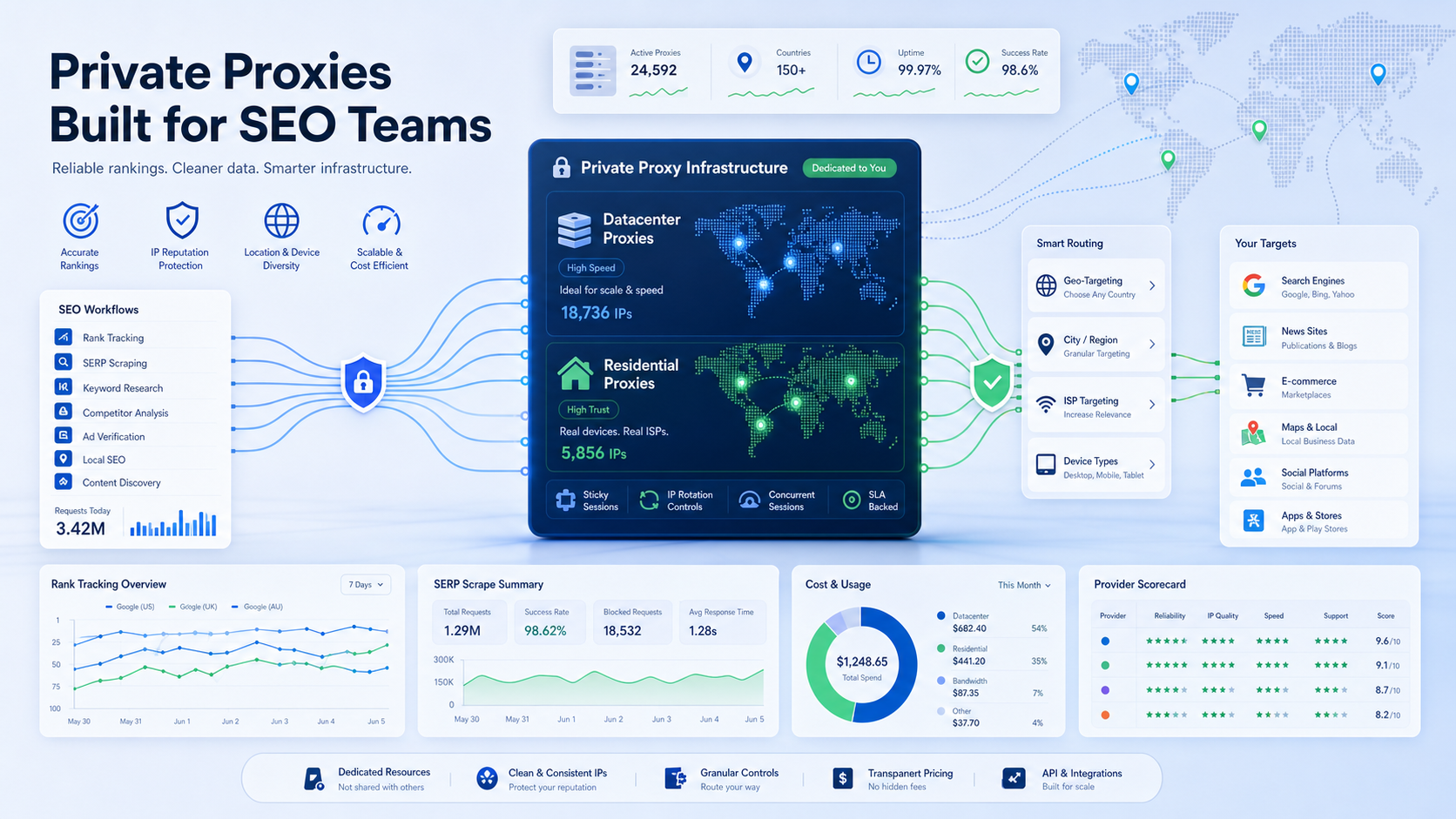
A mobile proxy routes traffic through IP addresses assigned by mobile carriers. This gives traffic a mobile-network identity that can be useful for testing, SEO, ad verification, and mobile-first workflows.
Mobile proxies are different from ordinary residential or datacenter proxies because the traffic exits through carrier networks, often behind carrier-grade NAT. That network context affects detection, rotation, session behavior, and cost.
A good proxy setup should connect the use case to the right infrastructure: proxy infrastructure, rotating residential proxies, static residential proxies, and datacenter proxies all solve different problems. This article explains the practical decisions behind mobile proxy routing.
For technical and compliance context, review robots.txt guidance, the SOCKS5 specification, and common forwarding-header behavior such as X-Forwarded-For reference before scaling any proxy workflow.
What Is a Mobile Proxy?
A mobile proxy is a proxy endpoint that routes requests through an IP address assigned by a cellular carrier. To websites, the request appears to come from a real mobile network rather than a data center.
- Carrier-assigned mobile IP address
- Proxy gateway for authentication and routing
- Session rules for static or rotating behavior
- Targeting by country, carrier, or region where available
How Mobile Proxies Work
How Mobile Proxies Work matters because proxy performance is not only about changing an IP address. It is about matching network identity, location, session behavior, reliability, and compliance to the real workflow.
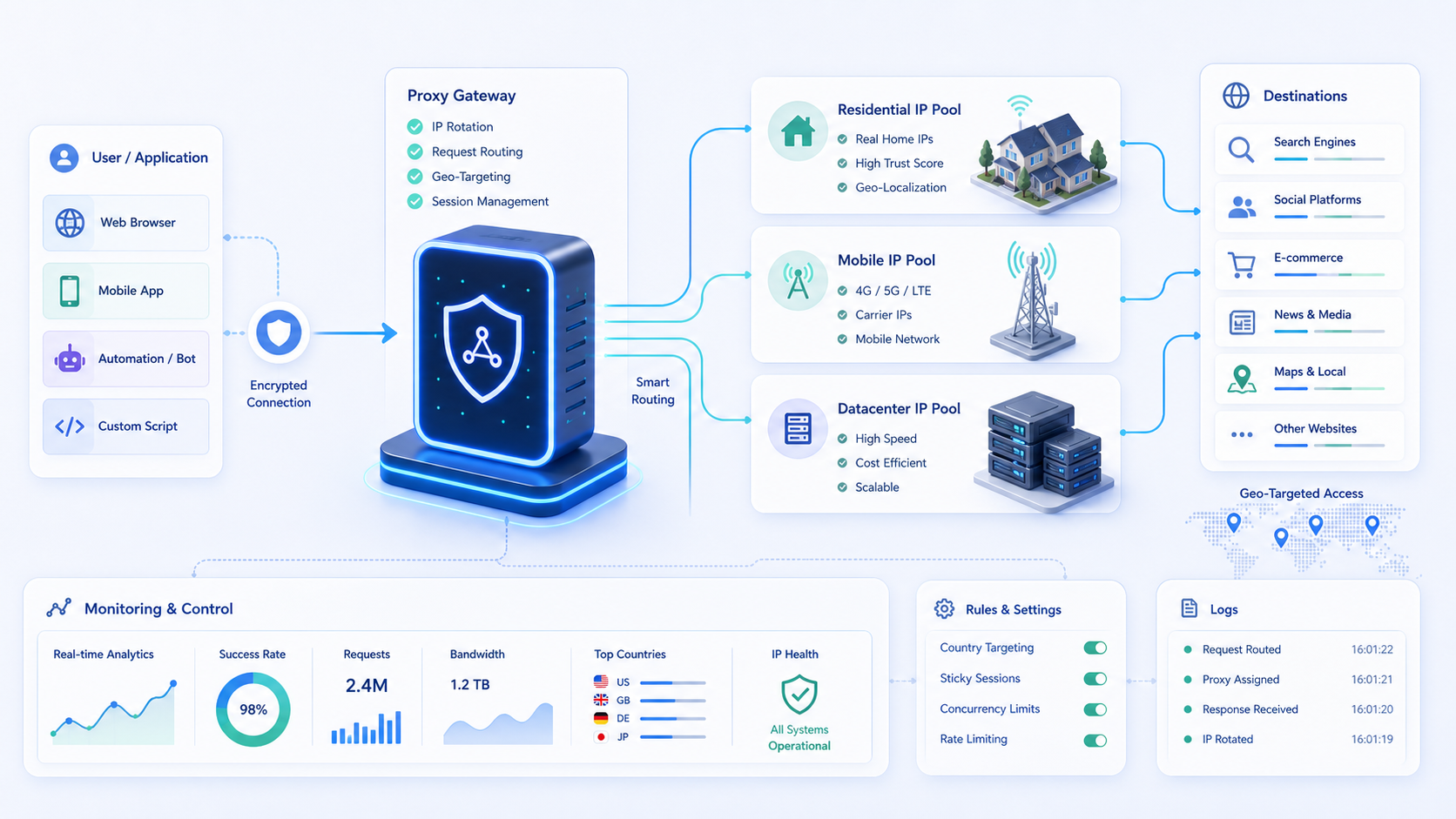
The Mobile Proxy Request Flow
The Mobile Proxy Request Flow matters because proxy performance is not only about changing an IP address. It is about matching network identity, location, session behavior, reliability, and compliance to the real workflow.
Mobile Proxy Creation Methods
Mobile Proxy Creation Methods matters because proxy performance is not only about changing an IP address. It is about matching network identity, location, session behavior, reliability, and compliance to the real workflow.
Why Mobile IPs Are Harder to Block: Understanding CGNAT
Carrier-grade NAT lets mobile carriers place many subscribers behind shared public IP space. That sharing makes mobile addresses harder to block broadly because one IP may represent many legitimate users.
What Is Carrier-Grade NAT?
What Is Carrier-Grade NAT? matters because proxy performance is not only about changing an IP address. It is about matching network identity, location, session behavior, reliability, and compliance to the real workflow.
Why Websites Avoid Blocking Mobile IPs
Why Websites Avoid Blocking Mobile IPs matters because proxy performance is not only about changing an IP address. It is about matching network identity, location, session behavior, reliability, and compliance to the real workflow.
Mobile IP Rotation Behavior
Rotation helps distribute requests and reduce repeated pressure on one IP. Use it deliberately: rotate for collection workflows, but avoid unnecessary rotation when session continuity matters.
Comparing Mobile Proxy Generations: 3G vs 4G vs 5G
Comparing Mobile Proxy Generations: 3G vs 4G vs 5G matters because proxy performance is not only about changing an IP address. It is about matching network identity, location, session behavior, reliability, and compliance to the real workflow.
| Generation | Best fit | Tradeoff |
|---|---|---|
| 3G | Legacy mobile testing and broad compatibility | Slower speeds and older network profile |
| 4G LTE | Most mobile proxy workflows | Strong balance of speed, coverage, and availability |
| 5G | High-speed mobile testing and modern app workflows | Coverage may vary by region and provider |
3G Mobile Proxies
3G Mobile Proxies matters because proxy performance is not only about changing an IP address. It is about matching network identity, location, session behavior, reliability, and compliance to the real workflow.
4G LTE Mobile Proxies
4G LTE Mobile Proxies matters because proxy performance is not only about changing an IP address. It is about matching network identity, location, session behavior, reliability, and compliance to the real workflow.
5G Mobile Proxies
5G Mobile Proxies matters because proxy performance is not only about changing an IP address. It is about matching network identity, location, session behavior, reliability, and compliance to the real workflow.
Mobile Proxy Types: Static vs Rotating
static residential proxies are useful when a workflow needs continuity, such as logged-in sessions, account warmup, checkout testing, or tools that expect the same IP over a longer period.
Static Mobile Proxies
static residential proxies are useful when a workflow needs continuity, such as logged-in sessions, account warmup, checkout testing, or tools that expect the same IP over a longer period.
Rotating Mobile Proxies
Rotation helps distribute requests and reduce repeated pressure on one IP. Use it deliberately: rotate for collection workflows, but avoid unnecessary rotation when session continuity matters.
When to Use Mobile Proxies
When to Use Mobile Proxies matters because proxy performance is not only about changing an IP address. It is about matching network identity, location, session behavior, reliability, and compliance to the real workflow.
Mobile App Testing and Development
Mobile App Testing and Development matters because proxy performance is not only about changing an IP address. It is about matching network identity, location, session behavior, reliability, and compliance to the real workflow.
Ad Verification and Mobile Ad Testing
Ad Verification and Mobile Ad Testing matters because proxy performance is not only about changing an IP address. It is about matching network identity, location, session behavior, reliability, and compliance to the real workflow.
Social Media Automation and Account Management
A stable workflow combines proxy infrastructure, retry logic, monitoring, rate limiting, and clean separation between experiments, production jobs, and client-specific traffic.
Web Scraping Mobile-Specific Content
A stable workflow combines proxy infrastructure, retry logic, monitoring, rate limiting, and clean separation between experiments, production jobs, and client-specific traffic.
Accessing Mobile-First Platforms
Accessing Mobile-First Platforms matters because proxy performance is not only about changing an IP address. It is about matching network identity, location, session behavior, reliability, and compliance to the real workflow.
Compare LycheeIP Proxy Options
What is a Proxy Server?
When Mobile Proxies May Not Be the Right Choice
When Mobile Proxies May Not Be the Right Choice matters because proxy performance is not only about changing an IP address. It is about matching network identity, location, session behavior, reliability, and compliance to the real workflow.
Cost-Sensitive High-Volume Scraping
Cost should be evaluated against success rate, bandwidth, support, and operational risk. The cheapest proxy pool can become expensive if it produces blocks, bad data, or repeated manual cleanup.
Speed-Critical Workflows
A stable workflow combines proxy infrastructure, retry logic, monitoring, rate limiting, and clean separation between experiments, production jobs, and client-specific traffic.
Desktop-Only Workflows
A stable workflow combines proxy infrastructure, retry logic, monitoring, rate limiting, and clean separation between experiments, production jobs, and client-specific traffic.
Long-Duration Static Sessions
static residential proxies are useful when a workflow needs continuity, such as logged-in sessions, account warmup, checkout testing, or tools that expect the same IP over a longer period.
Comparing Mobile Proxies to Other Proxy Types
Comparing Mobile Proxies to Other Proxy Types matters because proxy performance is not only about changing an IP address. It is about matching network identity, location, session behavior, reliability, and compliance to the real workflow.
Mobile Proxies vs Residential Proxies
rotating residential proxies use ISP-associated addresses and are useful when a workflow needs a more natural network profile, broader geo coverage, or lower block rates than typical hosting IPs.
Mobile Proxies vs Datacenter Proxies
datacenter proxies are usually faster and more affordable, which makes them useful for lower-risk rank checks, testing, and high-volume workflows where the target does not aggressively flag hosting IP ranges.
Evaluating Mobile Proxy Providers
Evaluate providers by IP quality, geography, protocols, documentation, support, session control, and acceptable-use rules. LycheeIP can be compared across residential, static, and datacenter needs.
Geographic Coverage and Carrier Diversity
Geographic Coverage and Carrier Diversity matters because proxy performance is not only about changing an IP address. It is about matching network identity, location, session behavior, reliability, and compliance to the real workflow.
IP Pool Size and Rotation Capabilities
Rotation helps distribute requests and reduce repeated pressure on one IP. Use it deliberately: rotate for collection workflows, but avoid unnecessary rotation when session continuity matters.
Network Generation Support
Network Generation Support matters because proxy performance is not only about changing an IP address. It is about matching network identity, location, session behavior, reliability, and compliance to the real workflow.
Performance and Reliability
Performance and Reliability matters because proxy performance is not only about changing an IP address. It is about matching network identity, location, session behavior, reliability, and compliance to the real workflow.
Pricing Model and Usage Limits
Cost should be evaluated against success rate, bandwidth, support, and operational risk. The cheapest proxy pool can become expensive if it produces blocks, bad data, or repeated manual cleanup.
Integration and Technical Support
Integration and Technical Support matters because proxy performance is not only about changing an IP address. It is about matching network identity, location, session behavior, reliability, and compliance to the real workflow.
Mobile Proxy Security and Privacy Considerations
Security depends on provider trust, authentication handling, and how traffic is routed. Use strong credentials, avoid free proxy lists for sensitive work, and understand headers such as X-Forwarded-For reference.
Data Privacy Through Proxy Servers
Security depends on provider trust, authentication handling, and how traffic is routed. Use strong credentials, avoid free proxy lists for sensitive work, and understand headers such as X-Forwarded-For reference.
Shared IP Risks
Shared IP Risks matters because proxy performance is not only about changing an IP address. It is about matching network identity, location, session behavior, reliability, and compliance to the real workflow.
Authentication Security
Security depends on provider trust, authentication handling, and how traffic is routed. Use strong credentials, avoid free proxy lists for sensitive work, and understand headers such as X-Forwarded-For reference.
The Risks of Free Mobile Proxy Services
The Risks of Free Mobile Proxy Services matters because proxy performance is not only about changing an IP address. It is about matching network identity, location, session behavior, reliability, and compliance to the real workflow.
Security and Data Theft Risks
Security depends on provider trust, authentication handling, and how traffic is routed. Use strong credentials, avoid free proxy lists for sensitive work, and understand headers such as X-Forwarded-For reference.
Reliability and Performance Problems
Reliability and Performance Problems matters because proxy performance is not only about changing an IP address. It is about matching network identity, location, session behavior, reliability, and compliance to the real workflow.
IP Quality and Reputation Issues
IP Quality and Reputation Issues matters because proxy performance is not only about changing an IP address. It is about matching network identity, location, session behavior, reliability, and compliance to the real workflow.
Legal and Compliance Risks
Proxy usage should stay within applicable law, platform terms, and crawler rules. Review robots.txt guidance, avoid private data, and keep request rates respectful.
Implementing Mobile Proxies in Your Workflow
A stable workflow combines proxy infrastructure, retry logic, monitoring, rate limiting, and clean separation between experiments, production jobs, and client-specific traffic.
Configuration and Connection Setup
Configuration and Connection Setup matters because proxy performance is not only about changing an IP address. It is about matching network identity, location, session behavior, reliability, and compliance to the real workflow.
Session Management and IP Rotation
Rotation helps distribute requests and reduce repeated pressure on one IP. Use it deliberately: rotate for collection workflows, but avoid unnecessary rotation when session continuity matters.
Error Handling and Retry Logic
Error Handling and Retry Logic matters because proxy performance is not only about changing an IP address. It is about matching network identity, location, session behavior, reliability, and compliance to the real workflow.
Rate Limiting and Respectful Usage
Rate Limiting and Respectful Usage matters because proxy performance is not only about changing an IP address. It is about matching network identity, location, session behavior, reliability, and compliance to the real workflow.
Monitoring and Performance Tracking
Monitoring and Performance Tracking matters because proxy performance is not only about changing an IP address. It is about matching network identity, location, session behavior, reliability, and compliance to the real workflow.
Alternative Proxy Infrastructure: When to Consider Other Options
Alternative Proxy Infrastructure: When to Consider Other Options matters because proxy performance is not only about changing an IP address. It is about matching network identity, location, session behavior, reliability, and compliance to the real workflow.
Residential Proxy Infrastructure
rotating residential proxies use ISP-associated addresses and are useful when a workflow needs a more natural network profile, broader geo coverage, or lower block rates than typical hosting IPs.
Static Residential Proxies for Persistent Sessions
rotating residential proxies use ISP-associated addresses and are useful when a workflow needs a more natural network profile, broader geo coverage, or lower block rates than typical hosting IPs.
Datacenter Proxies for High-Volume Workflows
datacenter proxies are usually faster and more affordable, which makes them useful for lower-risk rank checks, testing, and high-volume workflows where the target does not aggressively flag hosting IP ranges.
Building a Mixed Proxy Strategy
Building a Mixed Proxy Strategy matters because proxy performance is not only about changing an IP address. It is about matching network identity, location, session behavior, reliability, and compliance to the real workflow.
Legal and Ethical Considerations for Mobile Proxy Usage
Proxy usage should stay within applicable law, platform terms, and crawler rules. Review robots.txt guidance, avoid private data, and keep request rates respectful.
Respecting Terms of Service
Proxy usage should stay within applicable law, platform terms, and crawler rules. Review robots.txt guidance, avoid private data, and keep request rates respectful.
Robots.txt and Crawl Guidelines
Proxy usage should stay within applicable law, platform terms, and crawler rules. Review robots.txt guidance, avoid private data, and keep request rates respectful.
Data Protection and Privacy Laws
Security depends on provider trust, authentication handling, and how traffic is routed. Use strong credentials, avoid free proxy lists for sensitive work, and understand headers such as X-Forwarded-For reference.
Avoiding Malicious Use Cases
Avoiding Malicious Use Cases matters because proxy performance is not only about changing an IP address. It is about matching network identity, location, session behavior, reliability, and compliance to the real workflow.
Acceptable Use Cases
Acceptable Use Cases matters because proxy performance is not only about changing an IP address. It is about matching network identity, location, session behavior, reliability, and compliance to the real workflow.
Troubleshooting Common Mobile Proxy Issues
Troubleshooting starts with logs: check authentication, endpoint health, IP location, latency, block rate, CAPTCHA rate, headers, and whether the target changed its behavior.
Connection Timeouts and Failures
Troubleshooting starts with logs: check authentication, endpoint health, IP location, latency, block rate, CAPTCHA rate, headers, and whether the target changed its behavior.
Unexpected IP Changes
Unexpected IP Changes matters because proxy performance is not only about changing an IP address. It is about matching network identity, location, session behavior, reliability, and compliance to the real workflow.
Slow Response Times
Slow Response Times matters because proxy performance is not only about changing an IP address. It is about matching network identity, location, session behavior, reliability, and compliance to the real workflow.
Authentication Failures
Security depends on provider trust, authentication handling, and how traffic is routed. Use strong credentials, avoid free proxy lists for sensitive work, and understand headers such as X-Forwarded-For reference.
Unexpected Blocks or CAPTCHAs
Troubleshooting starts with logs: check authentication, endpoint health, IP location, latency, block rate, CAPTCHA rate, headers, and whether the target changed its behavior.
Conclusion
Mobile proxies are valuable when the workflow specifically needs a mobile-network identity, mobile SERP accuracy, app testing, ad verification, or mobile-first platform access.
Teams that want a practical starting point can compare rotating residential proxies, static residential proxies, and datacenter proxies inside a single routing strategy, then monitor success rates before increasing volume.
Explore LycheeIP Proxy Infrastructure
Frequently Asked Questions
What is a mobile proxy?
A mobile proxy routes traffic through an IP address assigned by a mobile carrier, often behind carrier-grade NAT, so destination sites see traffic as coming from a mobile network.
How does CGNAT make mobile proxies harder to block?
The best answer depends on the workflow, target site, geography, request volume, and risk tolerance. Test proxy quality with a small workload before scaling.
What is the difference between 3G, 4G, and 5G mobile proxies?
The best answer depends on the workflow, target site, geography, request volume, and risk tolerance. Test proxy quality with a small workload before scaling.
What is a static mobile proxy?
A mobile proxy routes traffic through an IP address assigned by a mobile carrier, often behind carrier-grade NAT, so destination sites see traffic as coming from a mobile network.
When should I use mobile proxies instead of residential proxies?
The best answer depends on the workflow, target site, geography, request volume, and risk tolerance. Test proxy quality with a small workload before scaling.
Are mobile proxies legal to use?
Yes, proxies are legal tools in many jurisdictions, but the activity performed through them must comply with laws, platform terms, and data-use rules.
Why are mobile proxies more expensive than datacenter proxies?
Datacenter proxies are faster and cheaper but easier to detect. Residential and mobile proxies usually look more like ordinary users, but they cost more and need tighter session control.
Can I get a free mobile proxy trial?
A mobile proxy routes traffic through an IP address assigned by a mobile carrier, often behind carrier-grade NAT, so destination sites see traffic as coming from a mobile network.
Do mobile proxies work for web scraping?
The best answer depends on the workflow, target site, geography, request volume, and risk tolerance. Test proxy quality with a small workload before scaling.
How do I set up mobile proxies in my application?
Use the provider hostname, port, username, password, protocol, and session parameters in your browser, automation tool, SEO tool, or scraping framework.
What are T-Mobile proxies?
The best answer depends on the workflow, target site, geography, request volume, and risk tolerance. Test proxy quality with a small workload before scaling.
Can mobile proxies bypass CAPTCHAs?
Proxies can reduce some block signals, but they cannot guarantee avoidance. Request behavior, account quality, browser fingerprinting, and compliance matter too.
Are there mobile proxies available in the UK?
The best answer depends on the workflow, target site, geography, request volume, and risk tolerance. Test proxy quality with a small workload before scaling.
How do mobile proxies compare to residential proxies for social media automation?
The best answer depends on the workflow, target site, geography, request volume, and risk tolerance. Test proxy quality with a small workload before scaling.
What happens if my mobile proxy connection drops?
A mobile proxy routes traffic through an IP address assigned by a mobile carrier, often behind carrier-grade NAT, so destination sites see traffic as coming from a mobile network.